 Anglo-American University in Prague
 AAU Visual Art Studies Students Present Interactive Final Exhibition
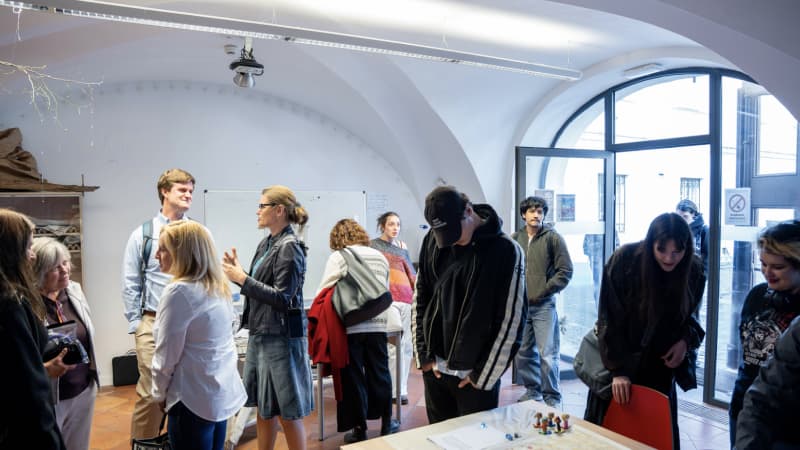

Students from AAU’s Visual Art Studies (VAS) program transformed the Art Studio into an interactive exhibition space, inviting visitors not only to observe artwork, but actively participate in it.
The Final Interactive Art Show, organized by the School of Arts, Humanities, and Social Sciences (SAHSS), showcased student projects exploring themes of nostalgia, healing, identity, and emotional resilience. Led by Senior Lecturer Alena Foustková, the exhibition challenged students to create projects that were interactive and socially oriented while giving them significant creative freedom throughout the semester.
“The concept was to create an independent project which would have some rules,” Foustková explained. “One of them was that it would be participatory, that it would be interactive, and it would be socially oriented.”
The exhibition also reflected AAU’s emphasis on hands-on learning and practical experience beyond the classroom, giving students the opportunity to develop and present original creative work in a public setting. Students first developed multiple concepts before refining and selecting final ideas through collaborative class discussions and critiques.
Several projects focused on emotional storytelling and mental health through interactive formats.
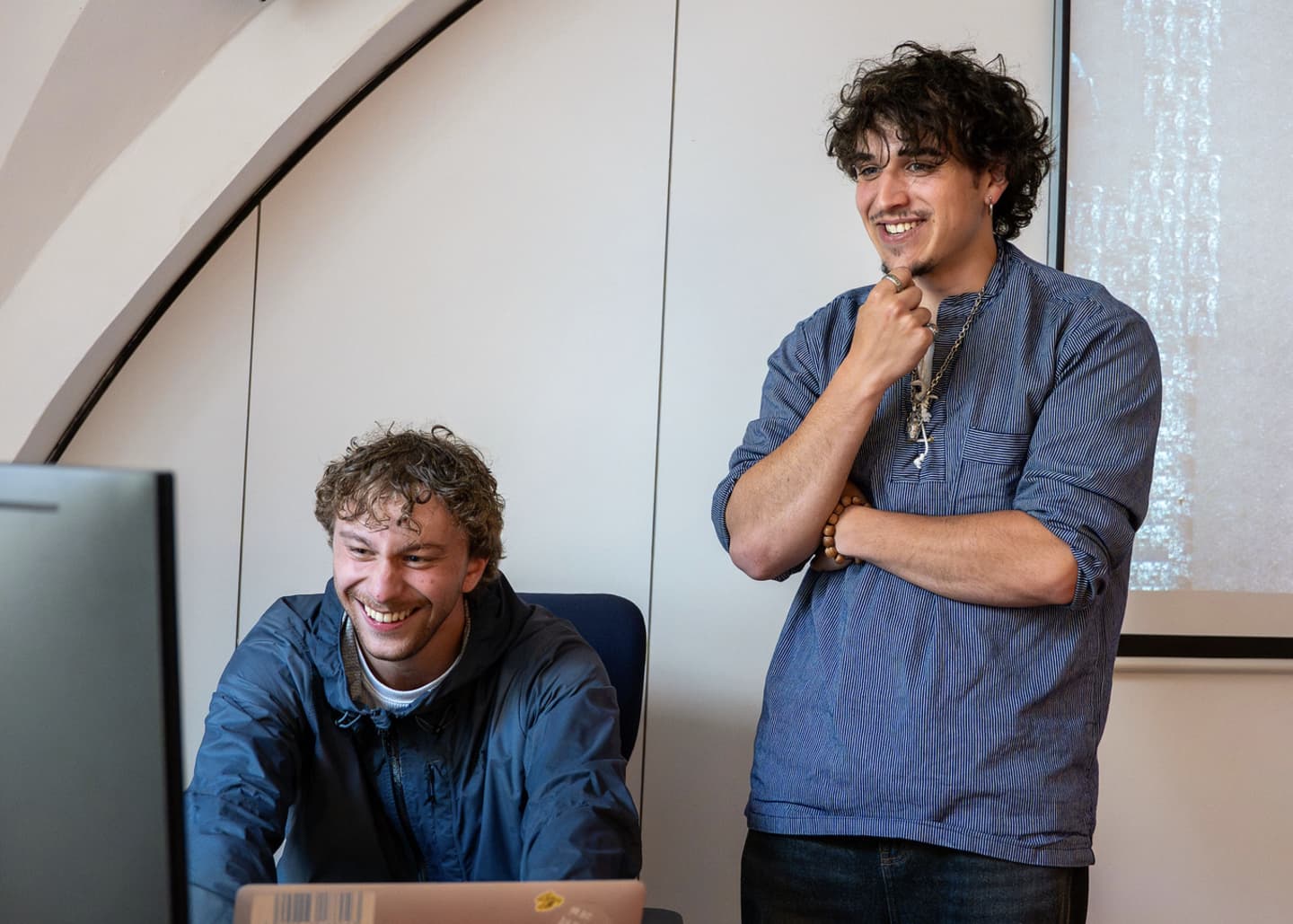

In “Mandible,” Andrew Swartz created a surreal game world inspired by anxiety, paranoia, and resilience, using hand-drawn visuals and pixel-art-inspired environments to externalize feelings of fear and uncertainty.
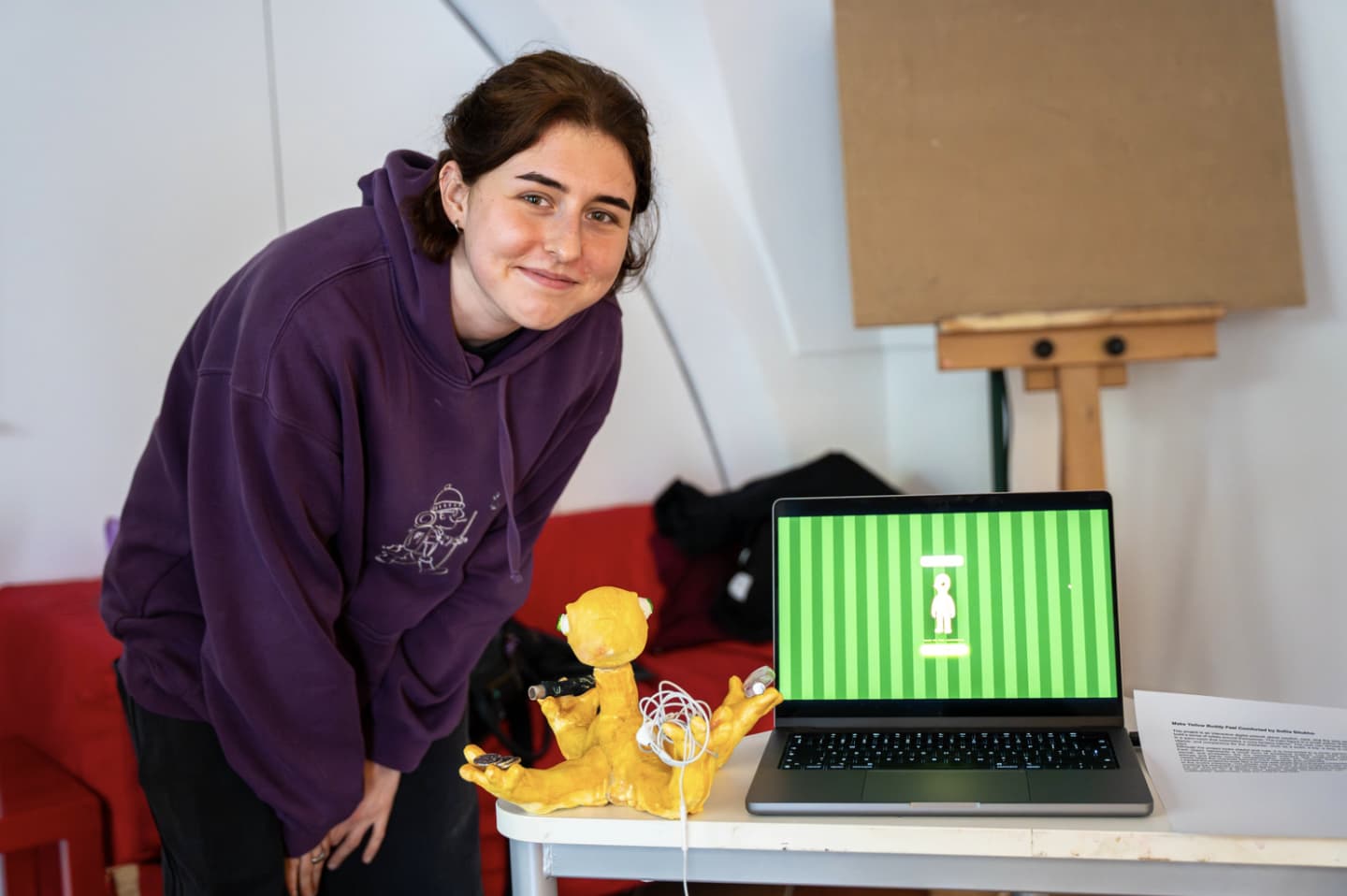
Other works explored comfort and emotional attachment. Sofia Situkho’s “Make Yellow Buddy Feel Comforted” invited visitors to interact with a small yellow character by selecting comforting objects and companions, turning participation itself into an act of care.

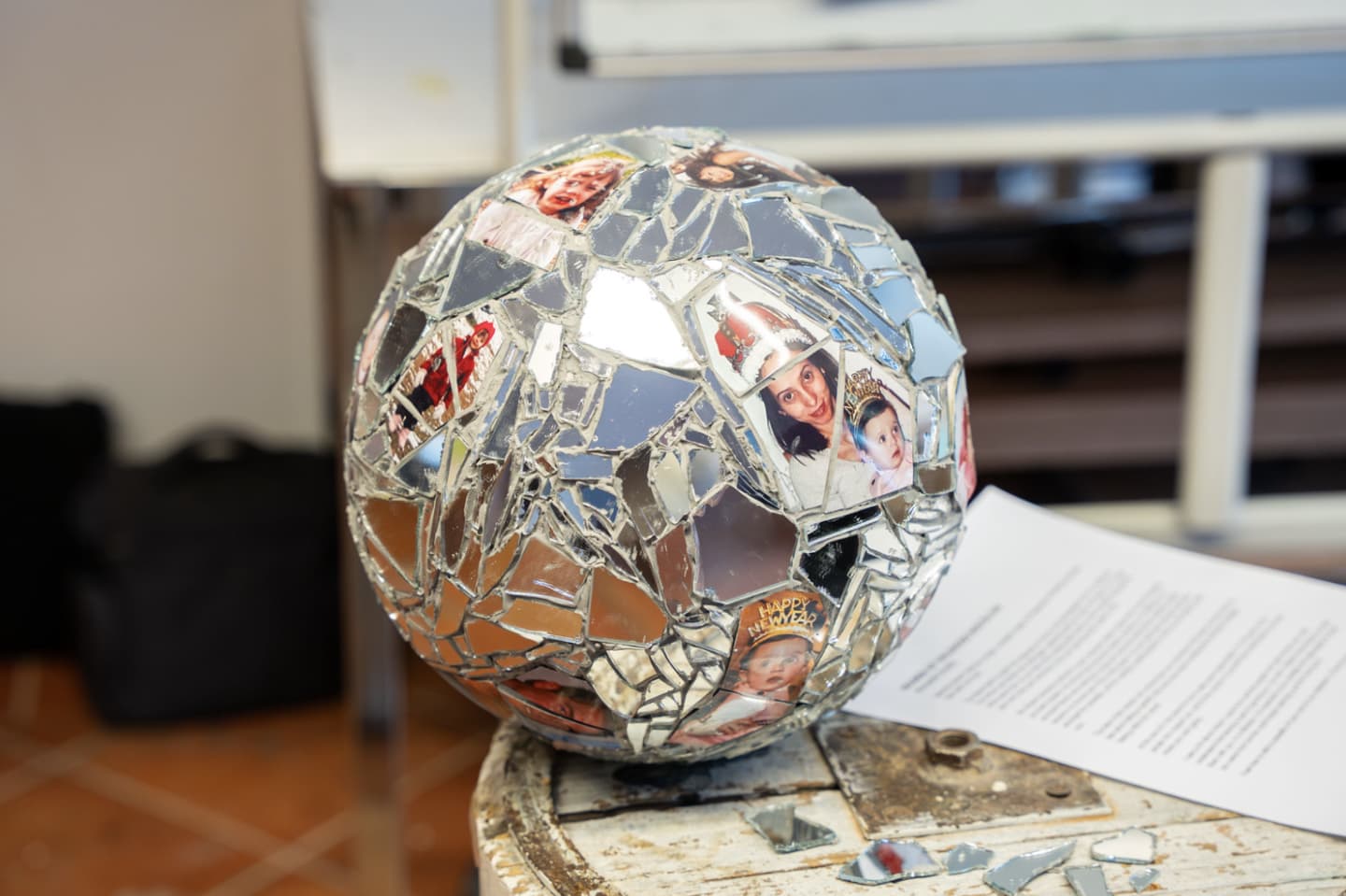
Memory and nostalgia became another major focus of the exhibition. In “Sounds of Childhood Nostalgia,” Michaelah Shellito combined mirrors, childhood photographs, music, and audience participation into an evolving installation centered on memory and emotional connection.
“I wanted to do sort of a tribute to nostalgia and everywhere I have been and am going,” Shellito said. “Everyone has that song that just instantly takes you back.”
Visitors were also invited to contribute songs and memories of their own, adding to a collaborative playlist that became part of the exhibition experience itself.

Themes of healing and recovery also appeared throughout the exhibition. Sofia Miroshnychenko’s “Non linear” reimagined the childhood game Snakes and Ladders as a metaphor for healing from trauma. “Positive new experiences” within the game allowed participants to move upward while setbacks represented emotional difficulties and instability during the healing process.
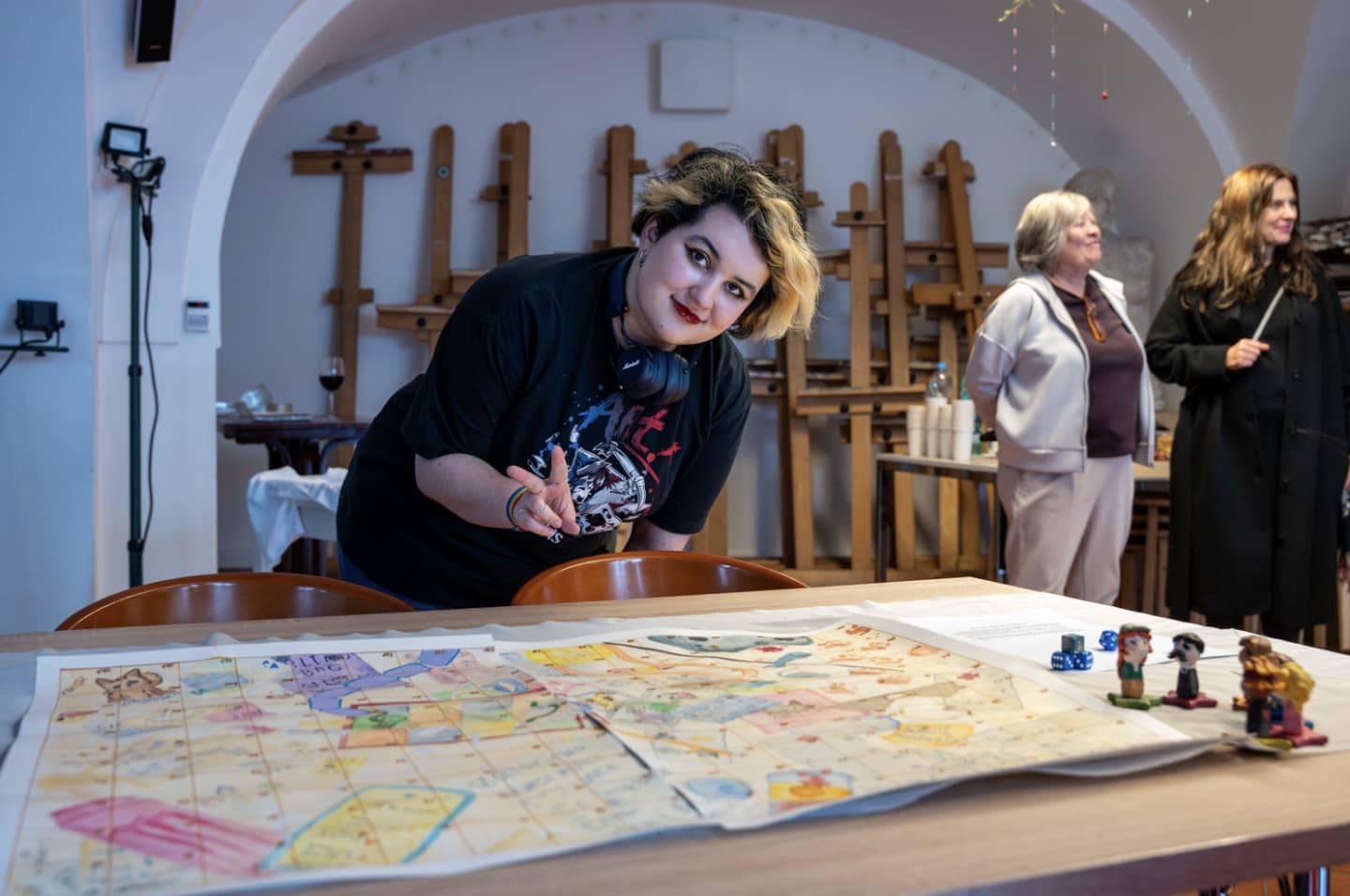

For Foustková, the exhibition reflected the broader value of creative experimentation and artistic expression within the university environment.
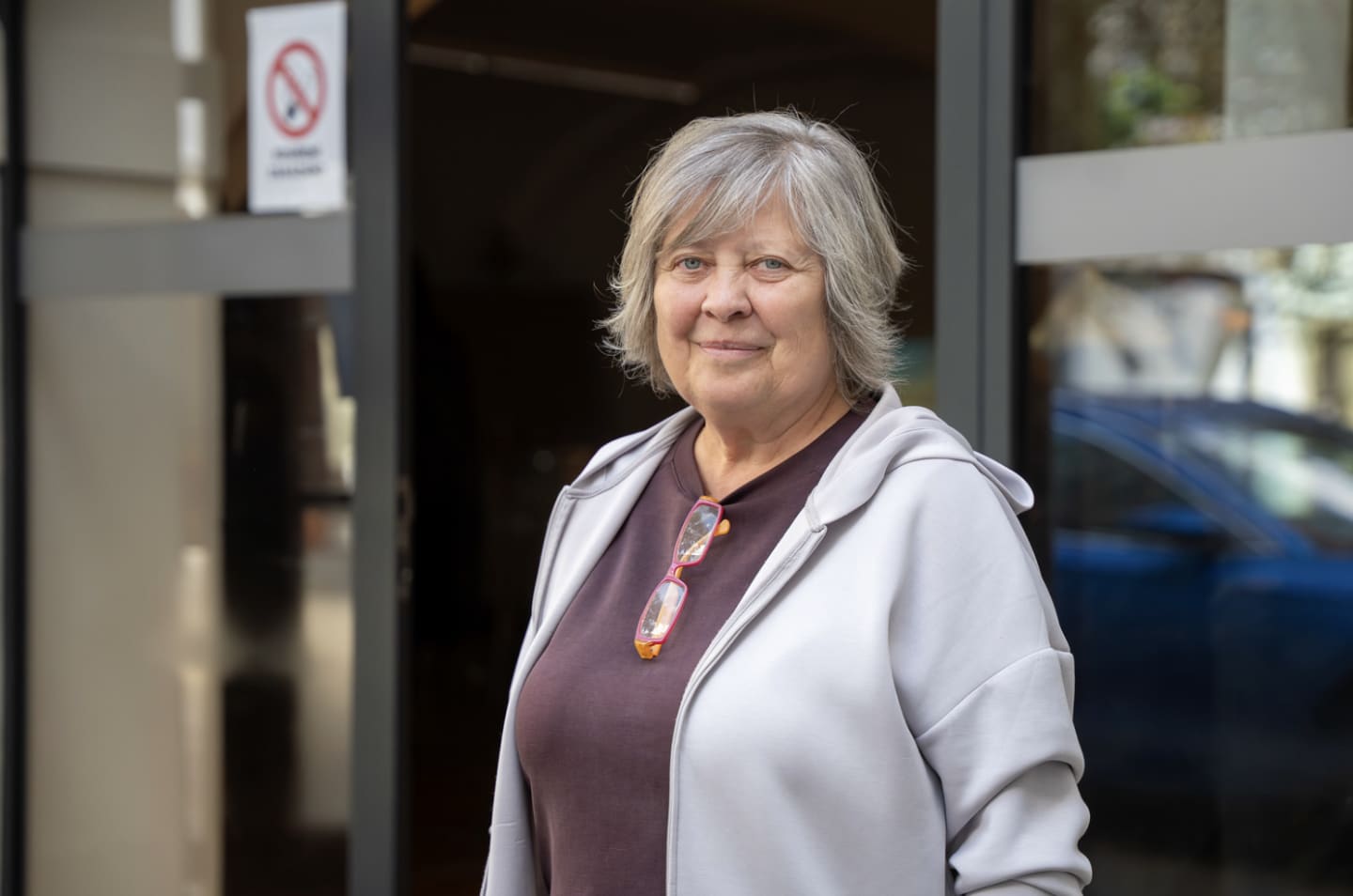
“I hope that they will see that this course is a lot of fun,” she said. “The students displayed great creativity here.”

The exhibition ultimately transformed the studio into a collaborative and reflective space where visitors could engage directly with the students’ ideas, memories, and personal experiences through art. Photos from the exhibition can be viewed here.
Learn more about the Visual Art Studies program at AAU here. For questions about the program, please contact admissions@aauni.edu.